Upgrade Your Home With Qualified Architecture Services
Upgrading a home through professional architecture services involves more than just appearance. It necessitates a deep grasp of practical layout and area construction standards. Working with an knowledgeable design professional can tackle typical issues while enhancing property worth. The process is methodical and meticulous, guaranteeing that every detail aligns with the homeowner's objectives. Yet, many homeowners have difficulty to traverse this journey productively. What steps can they take to secure a successful working relationship?
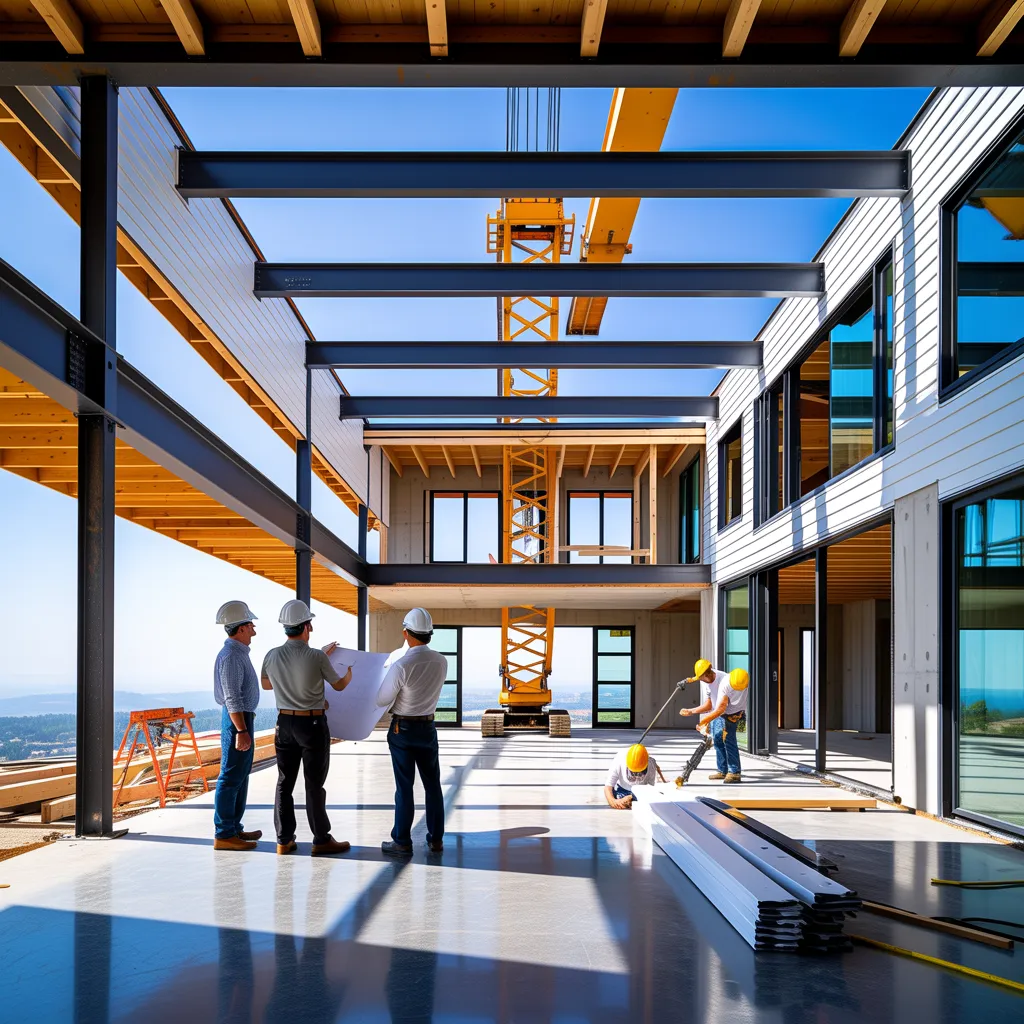
Common Home Design Problems and How Architects Assist
What causes home design to be so overwhelming for most homeowners? The challenge of mixing personal aesthetic choices with functional requirements often exhausts them. Homeowners commonly encounter issues with space limitations, monetary constraints, and legal standards, complicating the process more difficult. Additionally, many lack the technical knowledge required to manage structural needs and building codes.
Architects maintain an indispensable role in tackling these barriers. Their training outfits them to traverse the intricacies of design, assuring that a homeowner's aspiration corresponds with practical conditions. Architects can furnish revolutionary solutions to enhance space while maintaining protection standards. They also facilitate in establishing unified designs that manifest the dwelling owner's character. By extending wisdom into fabrics and construction methods, architects facilitate streamline the decision-making undertaking. Ultimately, their expertise metamorphoses a potentially formidable quest into a shared journey, fostering a harmonious balance between creativity and practicality in home design.
Reasons to Work With a Professional Architect
Engaging a trained specialist improves the residential design journey by merging expert knowledge with the client's aspirations. Architects bring a rich background in design methodologies, regulatory requirements, and sustainable techniques, guaranteeing that the endeavor not only meets visual objectives but also complies with regulations. Their skill in picturing and express elaborate concepts supports rendering theoretical notions into tangible designs.
Additionally, architects can deliver creative solutions to design challenges, refining functionality and layout. They also manage the complexities of the construction phase, coordinating with contractors and suppliers to ensure schedules and finances are followed. This expert management reduces potential errors and decreases the stress related to home remodeling or building. In the end, engaging with an architect creates a cohesive, carefully planned space that reflects the homeowner's character while increasing overall home value.
What Represent the Key Phases in the Building Design Process?
How does the architectural process develop from initial idea to finish? The process starts with an first meeting, where the architect and customer talk about objectives, needs, and financial plan. This phase is essential for creating a distinct direction. Next, the architect conducts location evaluation, evaluating explore this elements like topography, weather conditions, and zoning regulations.
Subsequently, the design phase commences. At this stage, sketches and digital models are produced, allowing the client to comprehend the project. Once the design is established, the architect drafts extensive construction specifications, listing specifications and drawings.
With required permits secured, the project moves into the construction phase. The architect regularly collaborates with contractors to ensure that the design is implemented correctly. Regular on-site inspections and evaluations help maintain quality and adherence to the initial vision. Finally, the project culminates in a walkthrough, confirming that the completed structure satisfies the client's expectations before the official transfer.
How Do You Find the Perfect Architect for Your Home?
Discovering the suitable architect for your home requires careful thought and research. Prospective residents should start by clarifying their distinct desires and budget, which will shape their quest. Advice from friends, relatives, or real estate specialists can supply valuable opportunities. Online galleries and reviews help with assessing an designer's previous accomplishments and client happiness.
Next, potential clients should interview multiple candidates to determine their communication style, expertise, and approach to design. It's critical to discuss project parameters and timeline expectations to establish alignment. Additionally, checking credentials and verifying relevant licenses and certifications can prevent subsequent difficulties.
Finally, homeowners should rely on their instincts. The ideal architect should not only have the required skills but also resonate with the homeowner's vision and values. This collaboration fosters a working relationship, ultimately resulting in a fruitful collaboration in creating a dream home.
Methods to Articulate Your Ideas Proficiently
Communicating a objective for interior design proficiently is essential for a successful partnership between property owners and design consultants. To achieve this, property owners should start by clearly specifying their needs and selections. Assembling a visual collection with graphics, pigments, and materials can support transmitting aesthetic goals. Additionally, specifying practical criteria, such as space allocation and layout, ensures that the specialist appreciates operational components.
Property owners should also engage in open dialogue, promoting inquiries and input to refine their vision. Regular check-ins during the planning phase encourage teamwork and openness. Employing straightforward language to convey ideas and concerns can avoid misunderstandings and help align goals.
Finally, remaining open to the architect's expertise allows for a more dynamic exchange of ideas. By combining personal vision with professional insight, homeowners can facilitate a constructive relationship that leads to a beautifully designed space reflecting their aspirations.
Methods to Allocate funds for Design Services
While starting a home design project, establishing a budget for architecture services is essential to avoid financial strain later. Homeowners should begin by researching typical fees in their area, which can vary based on the project's complexity and the architect's experience. It is advisable to allocate a percentage of the overall project cost specifically for architectural services, typically ranging from 5% to 15%.
Next, buyers should examine the scope of services essential—whether they seek full design and project management or just preliminary meetings. Discussing openly with candidate architects about their billing practices can elucidate financial implications.
Additionally, property owners should take into account potential revisions and unexpected expenses, building a buffer into the budget. By clearly defining their budget limits upfront, customers can ensure they select an architect who matches their vision while remaining within their budget constraints.
Common Inquiries Asked Often
What Structural Styles Can I Choose for My Home?
Homeowners can choose from multiple architectural styles, including modern, traditional, colonial, Mediterranean, and contemporary. Each style provides distinctive aesthetics and functionality, enabling individuals to showcase personal taste while considering regional influences and environmental factors.
What Length of Time Does the Design Development Process Normally Take?
The architectural process typically takes several months, based on project complexity, design sign-offs, and local regulations. Elements such as client feedback and construction schedules can also influence the schedule greatly during the entire process.
Can Building designers Aid With Green Design Solutions?
Architects can indeed help with sustainable design options. They integrate sustainable materials, efficient energy systems, and creative floor plans, ensuring projects minimize environmental impact while enhancing functionality and aesthetic appeal, matching with clients' sustainability goals effectively.
Which Credentials Would I Find in an Building Designer?
When appointing an architect, one should take into account their formal training, professional standing, experience in relevant projects, compilation of work displaying their design approach, and awareness of local regulations. Capacity for clear communication and endorsements from satisfied clients also play key roles in the decision-making process.
How Can Design Specialists Address Zoning and Permit Difficulties?
Architects handle regulatory challenges by performing comprehensive analysis on regional requirements, preparing necessary documentation, and communicating to municipal authorities. Their expertise ensures adherence, expediting the approval process for client projects efficiently.